Film vs. Tape: Understanding the Lifespan of Your Analog Media
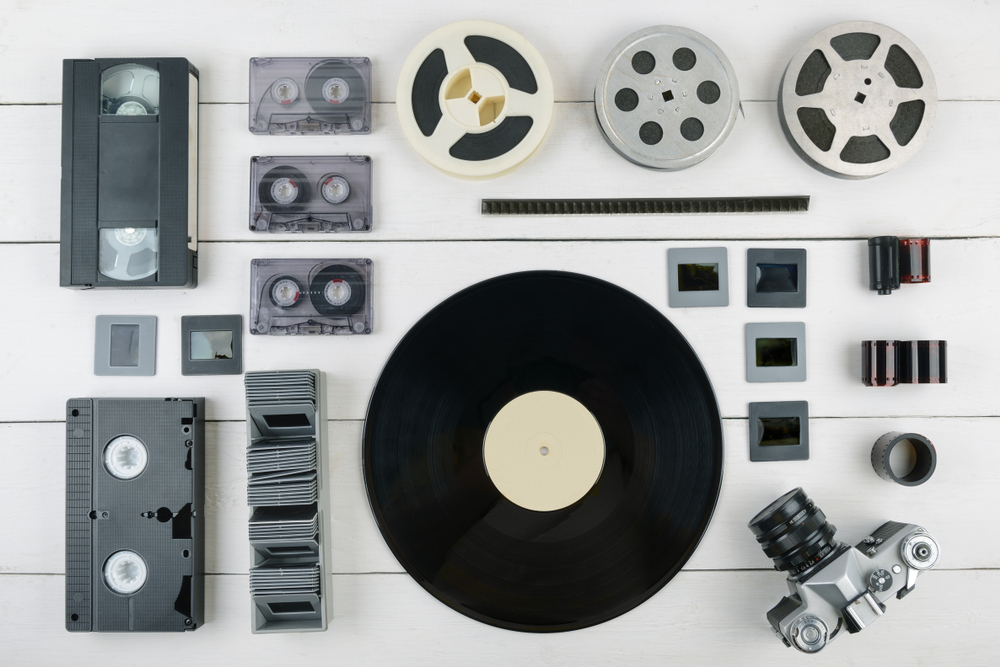
Analog media holds a special place in our hearts. The grainy warmth of a Super 8 film reel, the satisfying click of a VHS cassette sliding into a player, the quiet hiss before a home movie begins, these are the sounds and textures of memory. But unlike digital files that can be copied endlessly without degradation, analog media is physical. It ages, warps, fades, and eventually fails. Understanding how long your tapes and film reels will last, and what threatens them, is the first step toward protecting the stories they contain.
Whether you are storing old wedding footage in a Houston attic or archiving family film reels in a climate-controlled closet, the science of analog decay applies to you. And if you have ever wondered how long do VHS tapes last in Houston humidity, the answer is both sobering and urgent.
The Fundamental Difference Between Film and Magnetic Tape
Before diving into lifespans, it helps to understand what film and tape actually are, because their physical makeup determines how they deteriorate.
Photographic film, whether 8mm, Super 8, or 16mm, records images through a chemical reaction involving silver halide crystals suspended in a gelatin layer coated onto a plastic or acetate base. The image itself is essentially a physical silver structure embedded in the film. This makes film remarkably stable under the right conditions. Well-stored black-and-white film has lasted well over a century in some archival collections.
Color film introduces dye couplers that are more vulnerable to fading, but even so, properly stored color film from the 1960s and 1970s can still be scanned today with acceptable results. The enemies of film are moisture, which causes the gelatin layer to swell and warp, and the infamous vinegar syndrome, a chemical breakdown of acetate base stock that releases acetic acid and causes the film to shrink, buckle, and become brittle.
Magnetic tape, which includes VHS, Betamax, Hi8, MiniDV, and audio cassettes, works entirely differently. A thin magnetic coating is applied to a polyester or mylar base, and information is stored as magnetic patterns in that coating. The problem is that the binder holding the magnetic particles to the base can absorb moisture over time, causing a condition called sticky shed syndrome. When this happens, the tape literally sheds its magnetic coating during playback, and the information encoded in that coating is gone forever.
How Long Does Each Format Actually Last?
This is where the conversation gets practical. Lifespans for analog media are not guaranteed numbers but rather estimates based on storage conditions and manufacturing quality.
Photographic film stored at around 65 degrees Fahrenheit and 40 percent relative humidity can theoretically last 100 years or more for black-and-white film. Color film under the same conditions may retain acceptable quality for 50 to 100 years, depending on the dye chemistry used. However, film stored in a hot attic in Texas, where summer temperatures routinely exceed 100 degrees Fahrenheit and humidity swings wildly, could degrade significantly within a decade or two.
Magnetic tape formats have a shorter expected lifespan under ideal conditions. Most archivists estimate that VHS tapes have a lifespan of 10 to 25 years under proper storage. Some sources push that upper limit toward 30 years if conditions are pristine. The problem is that very few people store their VHS tapes in pristine conditions.
If you have been asking how long do VHS tapes last in Houston humidity, the realistic answer is often closer to the lower end of that range, or even shorter. Houston is one of the most humid cities in the United States, with average relative humidity frequently exceeding 75 percent and sometimes climbing past 90 percent during summer months. Humidity is the number one enemy of magnetic tape. Moisture weakens the binder holding the magnetic particles in place, accelerates mold growth on the tape surface, and causes the polyester base to stretch. A VHS tape that might last 25 years in Colorado could fail within 10 to 15 years in Houston without proper climate control.
The Specific Threat of Heat and Humidity to Tape
Houston residents face a unique combination of threats that few other cities match. The heat accelerates virtually every chemical degradation process in analog media. The humidity introduces moisture that destroys magnetic coatings and breeds mold. Together, they form an environment that is nearly hostile to long-term analog storage.
Sticky shed syndrome, mentioned earlier, is dramatically accelerated in humid climates. When the polyurethane binder in the tape absorbs moisture repeatedly through seasonal humidity cycles, it breaks down faster than it would in a dry climate. By the time a tape in Houston shows visible symptoms such as squealing during playback or brown residue on the playback heads, significant data loss may have already occurred.
Mold is the other major concern. Fungal spores are everywhere in humid climates, and magnetic tape provides an excellent surface for mold growth when stored in warm, moist conditions. Mold does not just sit on the surface; it etches into the magnetic coating and can permanently destroy the recorded information beneath it. Once mold reaches the magnetic layer, no amount of cleaning can recover what was lost.
For anyone storing analog media in Houston, whether in a garage, closet, or storage unit, the risk of accelerated degradation is very real. Air-conditioned storage with a dehumidifier is not a luxury in this climate; it is a necessity for preservation.
Warning Signs That Your Media Is Failing
Knowing how to recognize deterioration before it becomes total loss can give you a window to act. Film and tape each have their own warning signs that are worth learning.
For photographic film, the first sign of vinegar syndrome is a faint vinegar smell when you open the storage container. This smell is the acetic acid being released as the acetate base breaks down. Advanced stages bring visible warping, cupping along the edges, and a brittle texture that makes the film almost impossible to unspool without cracking. Color fading is another sign, often appearing first as a magenta shift as cyan dyes degrade faster than other dye layers.
For magnetic tape, the warning signs include squealing or chattering sounds during playback, which often indicate sticky shed syndrome. You may also notice a brownish residue on playback heads or rollers, which is the magnetic coating literally shedding from the tape. VHS tapes that have been stored in humid conditions may also develop a white or gray haze on the surface, which is often mold. Tapes that were never stored in airtight containers in a climate like Houston’s should be examined before playback rather than simply inserted into a player, because playing a deteriorating tape can destroy it.
Why Digitization Is Now More Important Than Ever
The conclusion that most archivists and preservation experts arrive at is straightforward: the best protection for analog media is to digitize it before deterioration makes that impossible. Analog formats were never designed for permanent storage. They were designed for playback and enjoyment in an era when people did not anticipate needing them 40 or 50 years later.
Digitization converts the content of a tape or film reel into a digital file that can be copied, backed up, and stored across multiple platforms without any degradation. A properly managed digital file does not age the way a magnetic tape does. It does not absorb humidity, shed its coating, or develop mold.
Conclusion
Understanding the lifespan of your analog media is not about nostalgia for nostalgia’s sake. It is about protecting irreplaceable moments before they are lost to time, heat, and moisture. Film can outlast tape under ideal conditions, but neither format survives neglect in a climate like Houston’s. If you have been wondering how long do VHS tapes last in Houston humidity, the answer is clear: not long enough to wait. The time to act is now, while the images and sounds are still recoverable, before the tape sheds its coating and the reel cracks for the last time.
Need Media Preservation Services Near You?
Here at International Video Tape Copy, we take pride in being a family-owned business since 1979, and we’re dedicated to providing top-notch audio and video services. With over four decades of expertise, we’ve continuously stayed ahead of the curve in AV technology to ensure the highest quality for our customers. Whether you’re looking to preserve precious memories or need fast, reliable service, we’re here for you. Reach out to us today, and let our experienced team take care of all your audio and video needs with the best service and turnaround times in Texas!