Can a Broken Video Tape Still Be Digitized? Why Mail-In Kits Often Fail at Recovery
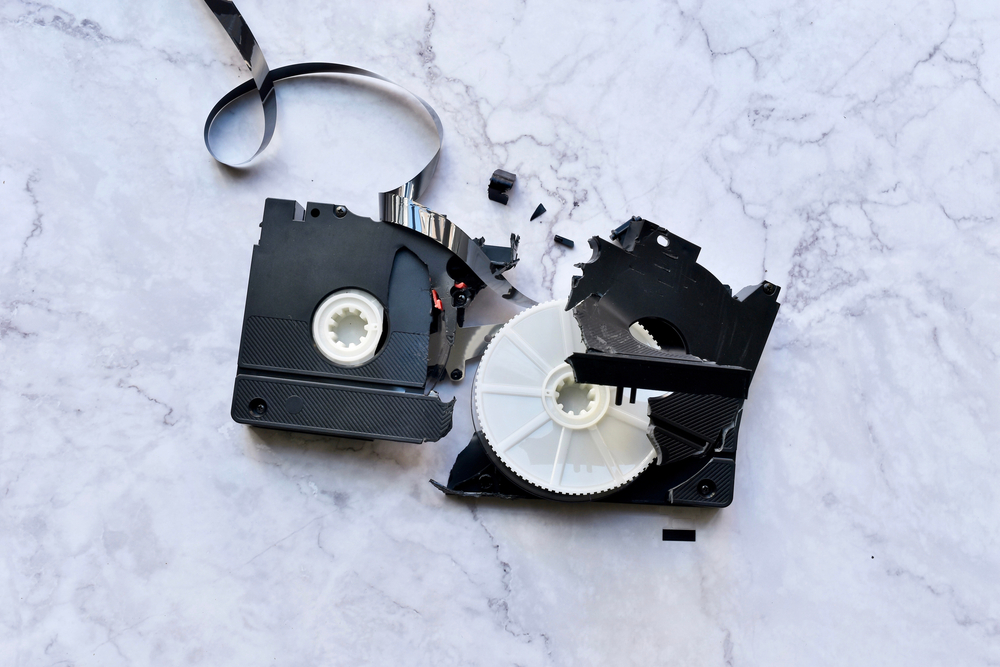
The good news is that a broken VHS tape is not automatically a lost cause. With the right expertise and equipment, many tapes that appear completely destroyed can still yield recoverable footage. The bad news is that not every recovery method is created equal, and mail-in kit services often fall far short of what professional tape restoration services can actually deliver.
Understanding what can and cannot be saved starts with knowing what kinds of damage tapes typically suffer. From physical breaks to environmental degradation, each type of damage requires a different approach, and some require a level of care that simply cannot be replicated at home or through a generic mail-in process.
Why Mail-In Kits Often Fail at Recovery
The appeal of a mail-in digitizing kit is obvious. You pack up your tapes, ship them off, and wait for a digital file to arrive in your inbox. For tapes that are in decent condition, this can work reasonably well. But for tapes that are genuinely damaged, the mail-in model introduces several serious problems before recovery even begins.
The first problem is transit. A tape that has a fragile splice, a cracked housing, or deteriorating oxide coating can sustain additional damage just from being jostled in a shipping box. Mail-in services rarely inspect tapes for structural integrity before attempting playback. They often run tapes through automated equipment designed for healthy media, and a damaged tape fed into that kind of machine can snap, shed oxide, or jam entirely.
The second problem is triage. When you hand your tape to a local specialist in person, there is an opportunity for a real conversation about what the tape has been through. A trained technician can visually inspect the tape, check the reels, and make a judgment call before any playback is attempted. Mail-in operations are typically high volume and low touch. There is no technician holding your tape up to the light and deciding whether it needs to go through a baking process before anything else happens.
The third problem is accountability. If a mail-in service damages your tape further during the recovery attempt, you may have little recourse. Distance makes it difficult to verify what actually happened, and many mail-in services limit their liability explicitly in their terms of service.
For anyone dealing with genuinely damaged media, whether that means a snapped tape, a moldy video tape, or a brittle film reel, proximity to an experienced technician is not a luxury. It is a necessity.
Understanding the Types of Damage That Require Professional Intervention
Not all tape damage looks the same, and not all of it responds to the same treatment. Here is a breakdown of the most common categories and why each one demands hands-on expertise.
Physical breaks are perhaps the most obvious form of damage. A tape that has snapped in two can sometimes be repaired using a splicing block and specialized adhesive tape. The repair has to be precise. If the splice is even slightly misaligned, the repaired section will cause playback issues or jam the heads of the playback machine. Attempting to repair broken VHS tape without proper tools and experience typically results in a worse break than the original.
Tape shed, which happens when the magnetic oxide coating begins to flake away from the polyester base, is a different challenge entirely. This condition is common in tapes that were stored in humid or fluctuating temperature environments. Playing a tape that is actively shedding will deposit oxide on the playback heads and can destroy the very footage you are trying to recover. Professional technicians handle this by baking the tape at a carefully controlled temperature, a process that temporarily re-bonds the oxide layer and allows for a single playback window during which the footage must be captured.
Mold is one of the most unsettling forms of tape damage, and it is also one of the most misunderstood. Moldy video tape cleaning is not simply a matter of wiping the surface with a cloth. Mold spores penetrate the tape layers and can cause the tape to stick together or to the reel. Improper cleaning can smear the mold deeper into the tape structure or physically abrade the oxide coating. Professionals use specialized cleaning machines and controlled environments to address mold without causing further damage. This work should never be attempted with household cleaning products.
Warping and deformation occur when tapes have been stored improperly, especially in extreme heat. A warped reel may not track correctly during playback, leading to distorted or unrecoverable footage. In some cases, gentle reshaping is possible. In others, the damage is permanent. Only an experienced technician can assess which situation applies.
Recover Old Film Reels: A Different Challenge Entirely
While much of the conversation around damaged media focuses on VHS and magnetic tape formats, many families and businesses also have old film reels sitting in closets, attics, or storage units. Attempting to recover old film reels is a task that requires entirely different equipment and expertise than magnetic tape restoration.
Film, particularly older Super 8 and 16mm formats, becomes brittle with age. The sprocket holes that allow film to move through a projector or scanner can tear easily if the film is advanced under tension. Older nitrate-based film stock presents an additional concern due to its chemical instability, and it should only be handled by professionals who are equipped to do so safely.
Like magnetic tape, film can also suffer from mold, vinegar syndrome (a chemical breakdown that produces an acidic odor and causes warping), and color fading. Each of these conditions requires a specific remediation approach before scanning can even begin. Trying to run degraded film through a projector at home is one of the fastest ways to destroy irreplaceable footage permanently.
Professional tape restoration services that handle film typically use frame-by-frame scanners that can capture footage even from film with minor physical damage. Some facilities also offer color correction and stabilization as part of the digitization process, giving restored footage a quality that goes well beyond what a simple transfer would produce.
What to Look for in a Professional Tape Restoration Service
Whether you are located in Houston or anywhere else across the country, finding the right professional for damaged media recovery involves asking a few key questions. Does the facility have experience specifically with damaged and degraded tapes, or do they only handle tapes in good condition? Do they offer in-person consultations before any work begins? Do they have the equipment for tape baking, mold remediation, and splicing in-house, or do they outsource that work?
Turnaround time matters too, but it should not be the primary factor when your media is damaged. A service that rushes through a damaged tape in the name of efficiency is taking risks with your footage. Recovery work on compromised media takes time, and a reputable professional will tell you that upfront.
Ask about their process for handling tapes that cannot be recovered. A trustworthy service will be honest with you about the limits of what is possible rather than taking payment for work that yields no usable result.
Conclusion
A broken or degraded tape is not automatically a lost cause, but it is also not a project for a generic mail-in service or a DIY kit purchased online. From snapped magnetic tape to moldy video tape cleaning and the recovery of fragile film reels, the work of saving damaged media requires trained hands, specialized equipment, and professional judgment. The memories stored on those tapes deserve that level of care. Do not let convenience compromise your last chance at recovering them.
Need Media Preservation Services Near You?
Here at International Video Tape Copy, we take pride in being a family-owned business since 1979, and we’re dedicated to providing top-notch audio and video services. With over four decades of expertise, we’ve continuously stayed ahead of the curve in AV technology to ensure the highest quality for our customers. Whether you’re looking to preserve precious memories or need fast, reliable service, we’re here for you. Reach out to us today, and let our experienced team take care of all your audio and video needs with the best service and turnaround times in Texas!